
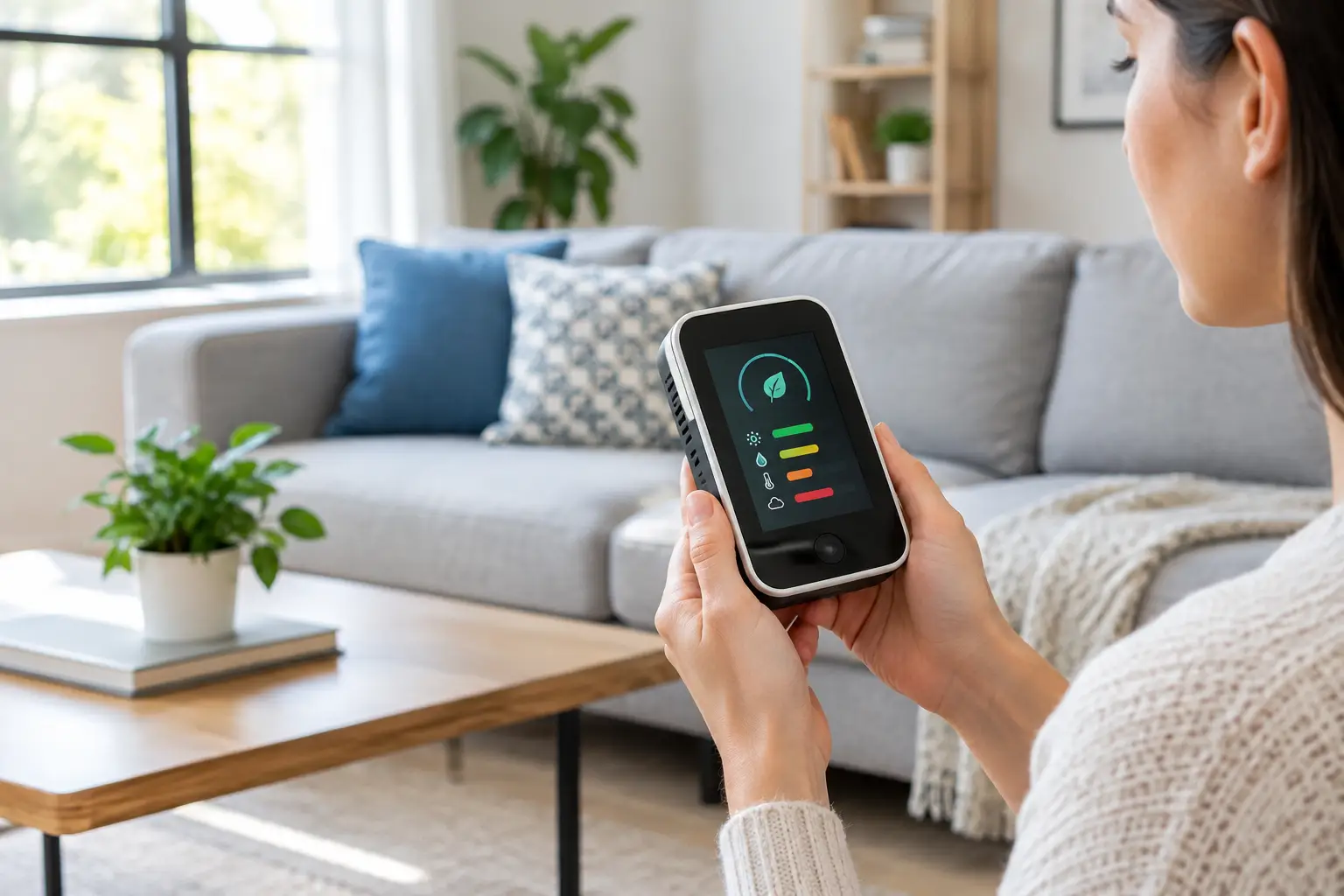
A home can look clean, smell normal, and still have an air-quality concern worth investigating. In Central Florida, persistent humidity, air-conditioning use, roof or plumbing leaks, and previous water damage can all affect what is circulating indoors. Indoor air quality testing in a home gives owners a documented way to investigate concerns before they turn into health questions, repair expenses, insurance issues, or transaction delays.
The goal is not to create alarm over every cough, odor, or dark spot. It is to identify whether a property condition may be contributing to an indoor environmental concern and determine the next sensible step. For a buyer, that may mean negotiating repairs or requesting further evaluation. For a homeowner, it may mean correcting a moisture source before it causes broader damage. For a seller, it can mean addressing a known issue before a buyer’s inspection raises questions.
When Indoor Air Quality Testing at Home Makes Sense
Testing is most useful when there is a reason to investigate. A musty odor that returns after cleaning, visible staining around an air vent, a past plumbing leak, condensation on windows, or a room that feels noticeably more humid than the rest of the home can all justify a closer look. So can recent flooding, roof damage, an HVAC drain-line backup, or a home that was vacant with the air conditioning turned off.
Health concerns may also prompt testing, particularly when occupants report symptoms that seem worse inside the home and improve elsewhere. However, air sampling does not diagnose a medical condition or establish that a particular substance caused a person’s symptoms. It provides property-related information that can help owners, medical professionals, and qualified remediation specialists make better-informed decisions.
Testing may be especially valuable during a real estate transaction when a buyer sees signs of moisture or suspected mold. A standard home inspection can identify visible conditions, water stains, apparent microbial growth, ventilation concerns, and likely moisture sources. Air-quality sampling can add another layer of documentation when conditions warrant it.
Why Central Florida Homes Need a Moisture-First Approach
Florida homes operate under conditions that make moisture management essential. Outdoor humidity is high for much of the year, and most homes depend heavily on air conditioning to keep interior conditions comfortable. When cooling systems are not properly maintained, when ducts leak, or when condensate does not drain correctly, moisture can collect where it should not.
The issue is not simply humidity outdoors. Problems develop when humid air enters wall cavities, attics, crawlspaces, or conditioned rooms and meets cooler surfaces. A small roof leak can dampen insulation and framing. A slow plumbing leak can affect cabinetry, drywall, or flooring long before it becomes obvious. An oversized or poorly functioning HVAC system may cool a house quickly without removing enough moisture from the air.
That is why a useful inspection does more than collect samples. It considers the building. The location of staining, condition of the HVAC system, ventilation patterns, signs of active leaks, and material damage all matter. Sampling results without a property assessment can leave an owner with more questions than answers.
What Home Air-Quality Testing Can Identify
The scope of testing depends on the concern and the property. Mold and air-quality sampling often involves collecting indoor air samples, and in some cases surface samples, for laboratory analysis. These results can help identify and compare airborne fungal material in different areas of the property. An outdoor control sample may also be used as a reference point because outdoor air naturally contains mold spores.
A laboratory report is one piece of evidence, not a simple pass-or-fail grade for the house. Different mold types are common in outdoor environments, and counts can vary based on weather, open doors and windows, HVAC operation, and the time of day. A qualified inspector reviews the findings alongside observed property conditions.
Depending on the service requested, an air-quality investigation may also focus on conditions that contribute to poor indoor air, including elevated moisture, inadequate ventilation, contaminated HVAC components, damaged building materials, or prior water intrusion. If a concern involves gases, combustion appliances, lead, or another specific contaminant, that may require a different testing method. The right test depends on the question being asked.
What to Expect During the Inspection
A professional indoor air-quality appointment typically starts with a conversation about the property’s history. Owners should share information about past leaks, repairs, flooding, odors, recent remodeling, HVAC issues, visible growth, and any rooms that seem consistently damp. This background helps direct the inspection toward likely trouble areas.
The visual portion may include accessible interior rooms, ceilings, walls, flooring, plumbing areas, air handlers, supply vents, return vents, attics, and other locations where moisture or damage is suspected. Thermal imaging may also help identify temperature differences that suggest possible moisture conditions behind finished surfaces. It is a valuable screening tool, but it does not see through walls or prove mold is present by itself.
If sampling is appropriate, the inspector collects samples according to the selected protocol and sends them to a laboratory for analysis. The final report should clearly document where samples were taken, what was observed at the property, and what the laboratory found. Clear documentation matters when you need to discuss repairs with a seller, contractor, insurer, property manager, or remediation professional.
American Property Inspections can coordinate mold and air-quality sampling alongside a broader property inspection, helping clients avoid the inconvenience of scheduling multiple providers when moisture concerns arise during a purchase or ownership decision.
How to Prepare Without Distorting the Results
Normal living conditions usually provide the most useful picture of the home. Do not aggressively clean suspected areas, apply bleach or antimicrobial products, run air purifiers continuously, or begin demolition immediately before the appointment unless an emergency requires it. Those actions can alter visible conditions or affect what may be captured in a sample.
It is also helpful to avoid opening windows just before testing if the inspection instructions call for normal closed-house conditions. Outdoor air can significantly influence indoor samples. Keep the HVAC system operating as it normally would unless the inspector provides different instructions.
You should still take urgent water problems seriously. If active water is entering the home from a broken pipe, roof opening, or appliance leak, stopping the water source comes first. Document the damage with photographs, preserve relevant repair records, and ask whether testing should occur before or after initial drying work. The answer depends on the extent of the damage and the reason for testing.
Understanding Results and Deciding What Comes Next
A result that identifies elevated or unusual indoor fungal activity does not automatically tell you the full scope of a problem. The next step is locating and correcting the moisture source. Without that step, cleaning or removing affected materials may only provide a temporary improvement.
For a limited issue, the remedy may be straightforward: repair a plumbing leak, clean and service an HVAC component, improve drainage, replace water-damaged material, or address a ventilation issue. Larger or concealed concerns may call for a qualified remediation contractor, particularly if multiple rooms are affected, building materials are deteriorated, or the source of moisture is still active.
Buyers should avoid treating a laboratory result as a reason to guess at costs. Ask for documentation of the source, affected areas, recommended corrective work, and whether follow-up verification is appropriate after repairs. Sellers can reduce stress by addressing known moisture conditions early and keeping records available. Homeowners should remember that maintenance – changing filters, servicing air conditioning equipment, managing indoor humidity, and responding quickly to leaks – is often the best long-term protection.
Testing Is a Tool, Not a Substitute for Repairs
Indoor air-quality testing is most valuable when it supports a clear property decision. It can help confirm that a concern deserves attention, document conditions during a transaction, and guide the conversation with the right repair professional. It cannot repair a leak, replace damaged drywall, or correct an HVAC drainage problem.
If your home has a recurring odor, a history of water intrusion, visible staining, or a room that never feels dry, do not wait for the condition to become harder to explain or more expensive to correct. A careful inspection and appropriate testing can give you the information needed to protect the property and move forward with confidence.