Fresh paint, new appliances, and a clean final walkthrough can make a brand-new home feel finished. But a new construction inspection often tells a more complete story. Behind drywall, beneath flooring, and above the ceiling line, construction details may need correction before they turn into frustrating repairs after closing.
A newly built home is not automatically a defect-free home. It has been built by many people, on a schedule, through changing weather conditions, and with numerous systems that must work together. A professional inspection provides an independent review of visible, accessible conditions so buyers can raise concerns with the builder while there is still time to address them.
Why New Homes Still Need an Independent Inspection
Municipal building inspections and a private home inspection serve different purposes. Local code officials conduct required inspections at designated stages, but they are not performing a detailed inspection on behalf of the buyer. Their role is generally to verify compliance with applicable building requirements during construction.
A buyer’s inspector works for the buyer. The inspection focuses on the home’s visible condition, installation quality, functional performance, safety concerns, and signs that a component may need further evaluation or repair. It creates a documented record you can use in conversations with the builder, superintendent, or warranty department.
This distinction matters in Central Florida. Our homes face heavy rain, high humidity, strong sun, wind exposure, and substantial air-conditioning demands. A small issue involving roof flashing, drainage, exterior sealing, insulation, ductwork, or HVAC performance can become more costly once the home is occupied.
New construction defects are not always dramatic. An inspection may identify incomplete caulking, missing insulation, a loose electrical connection, improperly installed weatherstripping, a garage door safety concern, or plumbing fixtures that do not operate as intended. Many items are straightforward for a builder to correct before closing, but they are easier to address when they are documented clearly.
The Best Times to Schedule a New Construction Inspection
The most useful inspection schedule depends on where the home is in the building process, your contract terms, and the builder’s policies. For many buyers, a final inspection before closing is the essential starting point. When possible, inspections at earlier stages can offer an added layer of protection.
Pre-Drywall Inspection
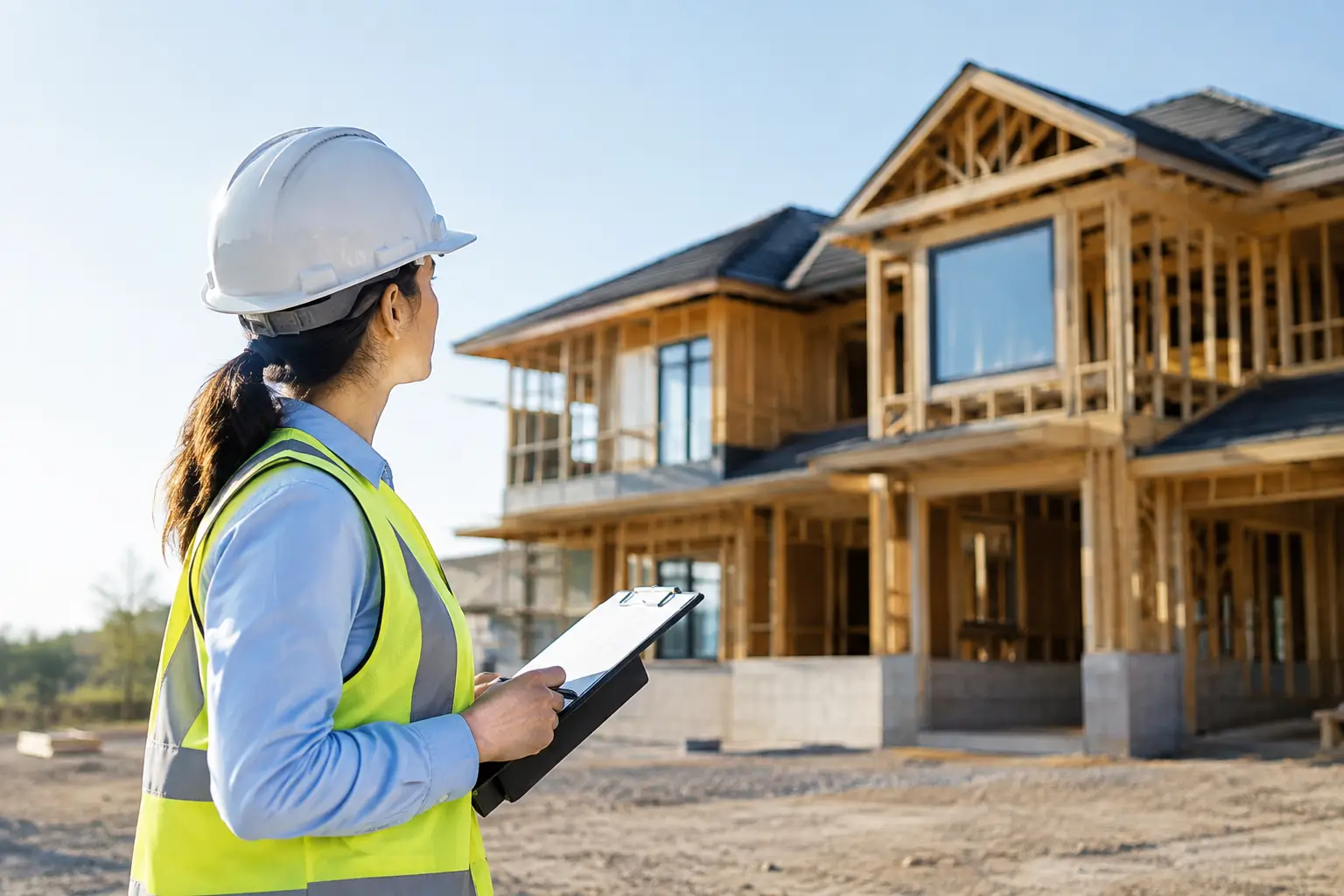
A pre-drywall inspection takes place after the framing, rough plumbing, rough electrical, and mechanical systems are installed but before insulation and drywall conceal much of the work. This is the stage when an inspector may be able to observe framing details, visible plumbing routing, electrical wiring, HVAC ducts, and other components that will later be inaccessible.
Not every buyer has the opportunity to schedule this inspection. Construction schedules move quickly, and builders may have specific access rules. If it is available, however, a pre-drywall inspection can help identify concerns early, when repairs may be simpler and less disruptive.
Final Inspection Before Closing
A final new construction inspection is typically completed when the home is substantially finished and utilities are on. The inspector can evaluate accessible areas and operate many systems, including plumbing fixtures, electrical outlets, appliances, heating and cooling equipment, windows, doors, and garage doors.
This should happen before the final walkthrough whenever possible. That gives you time to review the report, share relevant findings with the builder, and include the items in your walkthrough or repair discussions. Do not assume a builder’s punch list replaces an independent inspection. The punch list is valuable, but it is usually prepared from the builder’s perspective and may not cover every condition an experienced inspector observes.
Warranty Inspection Before Coverage Ends
Many builders provide a one-year workmanship warranty, although coverage terms vary. A warranty inspection near the end of that period can identify conditions that have become apparent after normal occupancy. Settlement cracks, drainage concerns, moisture staining, doors that no longer close properly, HVAC performance issues, and plumbing leaks are examples of conditions that may not be obvious on closing day.
Keep your warranty documents, understand the notice deadlines, and report concerns in writing according to the builder’s process. Waiting until the warranty has expired can reduce your options.
What a Thorough Inspection Can Evaluate
A professional inspection is visual and noninvasive, meaning an inspector does not remove finished walls, dismantle equipment, or perform destructive testing. Within those practical limits, the inspection should cover the home’s major accessible systems and components.
For a new home, that commonly includes the roof and exterior, foundation and visible structure, grading and drainage, exterior doors and windows, attic areas, insulation, interior finishes, plumbing, electrical components, heating and cooling systems, built-in appliances, and garage systems. The goal is not to create an unrealistic expectation of perfection. It is to identify material defects, safety concerns, incomplete work, improper operation, and conditions that warrant correction or further review.
In Florida, water management deserves close attention. The home should direct water away from the foundation where practical, and roof drainage components should be properly installed. Exterior penetrations around windows, doors, utility lines, and wall fixtures should be sealed as appropriate. These details help protect the building envelope from water intrusion and moisture-related damage.
Air conditioning also deserves more than a quick glance. Central Florida homes depend heavily on cooling systems, and installation details affect comfort, energy use, and humidity control. An inspector can observe accessible equipment operation and visible installation concerns, while recommending further evaluation by a qualified HVAC professional if conditions call for it.
How to Use the Inspection Report With Your Builder
A detailed report gives you a practical record, not a reason to panic. New homes commonly have punch-list items, and reputable builders expect to make adjustments as construction wraps up. The key is to communicate clearly, prioritize safety and functional issues, and keep records of what was requested and what was completed.
Review the report promptly. Separate items that need builder attention before closing from cosmetic concerns you are comfortable addressing later. If a condition involves a specialized repair, such as an electrical, roofing, plumbing, or HVAC issue, ask the builder who will perform the work and whether the correction can be verified before you close.
Take the report to your final walkthrough. Bring a copy of the builder’s repair list as well, then confirm that agreed-upon corrections have actually been completed. A repaired item should function properly, not simply look finished. If time permits, a reinspection can provide added reassurance after substantial repairs.
Your purchase contract controls the process, so follow its deadlines and procedures. An inspection report does not guarantee that every request will be accepted, and builders may reasonably handle certain minor items through the warranty process. Still, documented concerns give you a stronger basis for an informed conversation than relying on memory during a busy walkthrough.
Questions Buyers Should Ask Before Scheduling
Before scheduling, confirm whether the home will have power, water, and operational HVAC equipment. Without active utilities, the inspector may not be able to test key systems. Ask the builder about site access, required notice, inspection timing, and whether the buyer or agent must be present.
You should also ask when the certificate of occupancy is expected, when the final walkthrough will occur, and how builder repair requests are submitted. These details help you schedule early enough to use the findings effectively.
American Property Inspections provides detailed reporting and practical guidance for Central Florida buyers who want an independent assessment before closing. For homes with specific concerns, additional services such as thermal imaging, sewer scopes, mold and air-quality sampling, or WDO inspections may be appropriate depending on the property, visible conditions, and buyer needs.
A new home represents a major investment and a place where your life will unfold for years. Give yourself enough time before closing to look beyond the finishes, ask direct questions, and make sure concerns are documented while the builder still has a clear opportunity to make them right.